












News
Home
> News

Suzhou Shengyifurui Electronic Technology Co.,Ltd.
 English
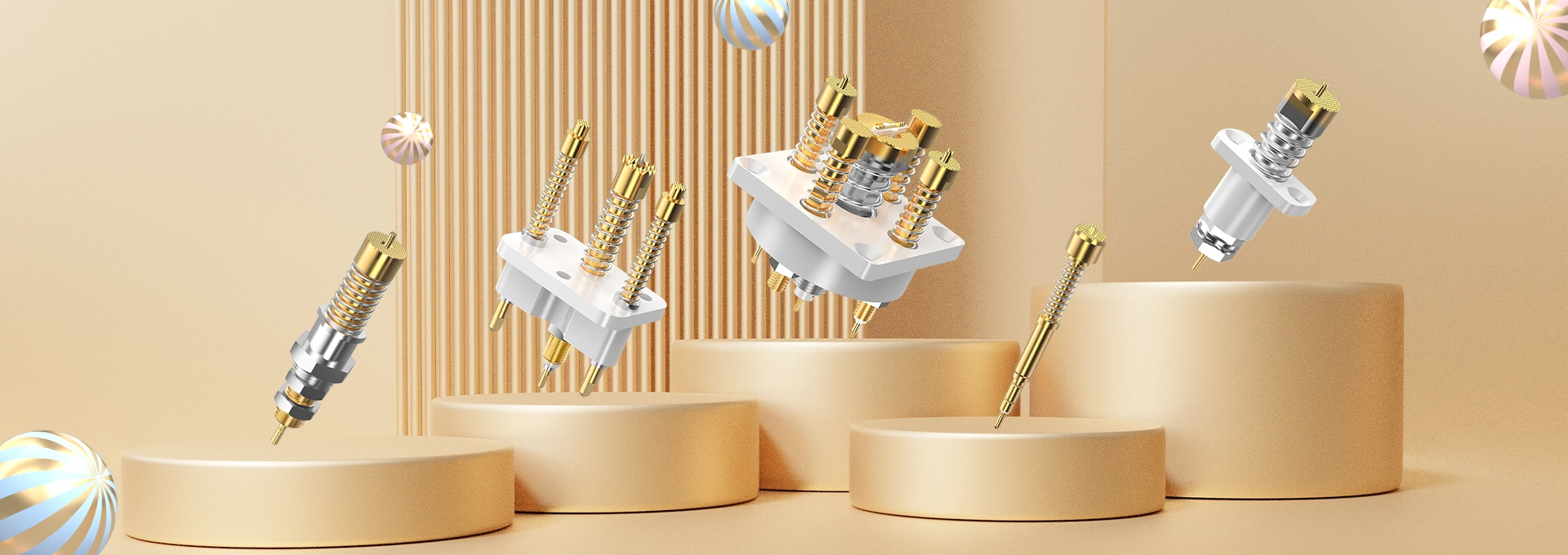

With the continuous development of technology, the probe industry is also growing. Probes are micro-instruments used to detect the properties and surface morphology of substances, and are widely used in materials science, biomedicine, nanotechnology and other fields. With the deepening of people's research on materials and biology, the development prospects of the probe industry are becoming more and more broad.
Read MoreThe material of the test probe is usually tungsten, molybdenum, copper, silver, and other metals. Among them, tungsten and molybdenum are the most commonly used materials because they have high hardness, high melting point, and good conductivity.
Read MoreThe testing probe is an important component of the testing instrument, and its function is to transmit electrical signals to the tested object during the testing process for testing purposes. The maintenance of test probes is crucial for the normal operation of test instruments and the accuracy of test results. Let's take a look at the maintenance knowledge of test probes.
Read MoreProbes are essential tools for measuring physical, chemical, biological, or electrical properties of materials, systems, or environments. They can be used in various fields, such as science, engineering, medicine, agriculture, and environmental monitoring. However, probes can also encounter problems that affect their accuracy, reliability, durability, or safety. Some of the common causes of probe problems are discussed below.
Read MoreProbe detection is a common material surface analysis technique, which can be used to study the surface morphology, chemical composition, electrical properties, etc. of materials. The principle of probe detection is to use the interaction between the probe and the sample surface to obtain the information of the sample surface. This article will introduce the principle of probe detection and its application in detail.
Read MoreA test probe is a tool commonly used in electronic testing, which can be used to test electronic components on a circuit board. During the testing process, the test probes need to be fixed on the circuit board to ensure the accuracy and stability of the test results. So, how is the test probe fixed?
Read MoreA test probe is a tool used to test circuits, which can help engineers quickly locate circuit faults. However, the test probe may be contaminated during use, such as dust, grease, sweat, etc., which can affect the accuracy and stability of the test probe. Therefore, it is necessary to regularly clean the test probe.
Read MoreTest probes are very important in semiconductor testing. Semiconductor testing refers to the testing of semiconductor chips to ensure they meet specifications and quality requirements. Test probe is an important tool in semiconductor testing, which can help testers to detect the electrical performance and function of chips.
Read MoreICT/FCT test probe is a probe used to test electronic products, it can detect whether the electronic components on the circuit board are working properly. ICT/FCT test probes are a very important part of electronics manufacturing because it can help manufacturers detect and eliminate faults during production, thereby improving product quality and production efficiency.
Read MoreTest probe is a commonly used testing tool, which can help us quickly locate problems and improve testing efficiency. However, sometimes the test results of test probes are inaccurate, which will bring great troubles to our testing work. So, what should we do when the test probe test is inaccurate?
Read MoreA test probe is a tool used to test electrical circuits and comes in many different styles of tips. These different styles can be used for different testing needs, so it is important to understand the different styles of test probe tips.
Read MoreA test probe is a tool used to test circuit boards and electronic devices, which can help engineers quickly locate faults and problems. Test probes work by connecting the probes to a board or device and then reading the board or device's signal through the probes to detect problems.
Read More